The Simple Q4 Workflow Review: Leads, Handoffs, Reports, and Follow-Up
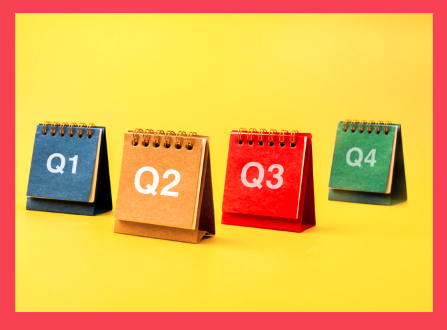
Q4 has a way of magnifying small problems.
A lead that sits too long without follow-up.
A handoff that depends on someone remembering to send an email.
A report that takes 30 minutes to clean up before anyone trusts it.
A task that works fine until volume picks up.
None of those issues may feel urgent when business is moving at a normal pace. But when year-end deadlines, planning, sales activity, and client work start stacking up, small gaps can become expensive very quickly.
The good news is that you do not need to overhaul every system before Q4.
Start with four places where friction tends to show up first: leads, handoffs, reports, and follow-up.
For each one, ask a simple question:
What would break here if volume increased 25% next month?
The answer will usually show you where to focus first.
1. Leads: Can Every Opportunity Get Where It Needs to Go?
Start at the beginning.
Where do new leads enter your business?
They may come through:
Your website
Email
Phone calls
Referrals
Social media
Networking
Events
Scheduling links
Forms
A CRM
The number of entry points is not necessarily the problem.
The bigger question is what happens next.
Does every lead make it into the system?
Is someone clearly responsible for it?
Can you tell where it came from?
Does the next step happen automatically, or does someone have to remember to do it?
When volume is manageable, a good salesperson or owner can often fill in the gaps manually.
That gets much harder when more opportunities start coming in at once.
Ask:
What would break here if lead volume increased 25% next month?
Would inquiries sit in an inbox too long?
Would someone forget to enter a referral into the CRM?
Would two people assume the other person was following up?
Would leadership still be able to see the full pipeline?
If you are not confident every opportunity has a clear path from inquiry to next step, this is a good place to start your Q4 cleanup.
2. Handoffs: Does the Next Person Know What Happens Next?
A lot of systems problems happen between steps.
The sale gets made, but onboarding does not start immediately.
A proposal is approved, but delivery is not notified.
A client completes a form, but someone still has to manually tell the next person that it is ready.
These handoffs often work because one experienced employee knows who needs to hear what.
That is useful.
It is also fragile.
A strong handoff should make three things clear:
What just happened
Who owns the next step
What information they need to move forward
That may happen through automation.
It may happen through a CRM task.
It may be a checklist.
It may simply be a clearly documented process.
The technology matters less than whether the next step is reliable.
Ask:
What would break here if volume increased 25% next month?
Would someone have to spend more time chasing internal updates?
Would new clients wait longer for onboarding?
Would important information get lost between sales and delivery?
Would the team need more meetings just to figure out what is happening?
If a handoff depends on one person remembering to notify another, Q4 pressure will make that weakness much more visible.
3. Reports: Can You Get the Answer Without Rebuilding the Numbers?
Q4 usually brings more questions.
How is the pipeline looking?
What proposals are still outstanding?
Which leads need attention?
What is converting?
Where is work getting stuck?
What does capacity look like?
Good reporting should help answer those questions.
If someone has to export data, update a spreadsheet, compare three systems, or manually explain why the dashboard is not quite accurate before every meeting, the report is creating more work than it should.
That does not always mean you need a new reporting tool.
It may mean:
The underlying data is inconsistent
CRM stages are being used differently
Important fields are not being updated
Reports were built around an old process
Information is split across too many systems
The team does not understand what the report is supposed to show
Before year-end planning begins, make sure the numbers leadership relies on are actually usable.
Ask:
What would break here if volume increased 25% next month?
Would someone spend even more time preparing updates?
Would forecasting become less reliable?
Would leadership make decisions using incomplete data?
Would problems stay hidden until they became urgent?
You do not need more dashboards.
You need reports that answer the questions your business actually asks.
4. Follow-Up: Does the System Create the Next Action?
Follow-up is one of the easiest things to manage when everything is calm.
Someone remembers.
A calendar reminder pops up.
A sticky note sits on the desk.
An email stays unread as a reminder.
The problem is that none of those approaches scale especially well when the pace increases.
Look at your follow-up process for:
New inquiries
Proposals
Sales conversations
Existing clients
Renewals
Referral partners
Open tasks
When one step is complete, does the system create the next action?
Or does success still depend on someone remembering?
Follow-up does not have to be fully automated.
In fact, some of the most important follow-up should remain human.
But the system should help make sure the human knows who needs attention and when.
Ask:
What would break here if volume increased 25% next month?
Would proposals sit longer?
Would warm leads cool off?
Would clients have to reach out first?
Would your team spend more time figuring out who needs a response?
If the answer is yes, focus on creating a clearer next-step process before Q4 gets busier.
You Do Not Need to Fix Everything Before Q4
A workflow review can easily turn into a giant list of things you want to improve.
Do not let that stop you from fixing anything.
Instead, look across these four areas:
Leads.
Handoffs.
Reports.
Follow-Up.
Which one is most likely to cost you:
Time
Opportunities
Revenue
Visibility
Team capacity
Start there.
Maybe the solution is a small CRM change.
Maybe it is better documentation.
Maybe an automation needs to be adjusted.
Maybe the team needs clearer training.
Maybe you are paying for software that is not configured to do what you need.
And sometimes a larger redesign really is necessary.
The point is to understand the friction before deciding on the fix.
Q4 readiness is not about building a perfect system before October.
It is about making sure the weak spots you already know about do not become bigger problems when the pressure increases.
Not Sure Which Workflow to Fix First?
If you know something in the process is creating friction but you are not sure where to begin, book a 30-minute systems brainstorm.
We can look at what is happening now, identify where the biggest gaps are, and help you decide which workflow is worth tackling first.Need Help Finding the Friction?